Now Building Orealis Labs, auditable memory for AI agents

Stephen Cotton Jr

FounderProduct & Systems ArchitectAI Systems

I build the software that runs complex operations, from $3B of telecom infrastructure to memory for AI agents.

Clients at Stonecrop

  • Sprint
  • Verizon
  • Samsung
  • Nokia
  • Ericsson
  • Alcatel-Lucent
  • Dept. of Homeland Security
  • Customs & Border Protection

01 Summary

I'm a two-time bootstrapped founder who designs and ships complete systems: the product, the software architecture, and the operations around them.

As co-founder and Head of Product at Stonecrop Technologies, I architected the deployment platform behind $3B of wireless infrastructure and 80,000 cell sites for Sprint, Verizon and the major equipment makers, and grew the company from 3 to 600 people with no outside capital.

In between, I built and ran Community Square, a civic platform that ran through San Francisco's 2024 election. Today I'm building Orealis Labs, an auditable memory and control layer for long-horizon AI agents.

02 Impact

The numbers behind the work.

  • M/01 Stonecrop

    $3B

    infrastructure assets coordinated through software I architected

  • M/02 Stonecrop

    80,000

    cell sites and kits deployed

  • M/03 Stonecrop

    3 to 600

    people, with no outside capital

  • M/04 Stonecrop

    ~40%

    higher site on-air efficiency

  • M/05 Career

    2

    start-ups, both bootstrapped

  • M/06 democraci matters™

    1,000+

    users in 45 days, with a team of two

03 Work

Selected work

The company I'm building now, and the two bootstrapped start-ups before it. Each has a short film.

01 / 03 2025–present

Orealis Labs

A deterministic control plane for long-horizon AI agents. It replaces unstructured LLM memory with an auditable, typed causal graph.

Role
Founder · AI Systems Research & Architecture
Years
2025–present
Prototype
Orí, an AI companion
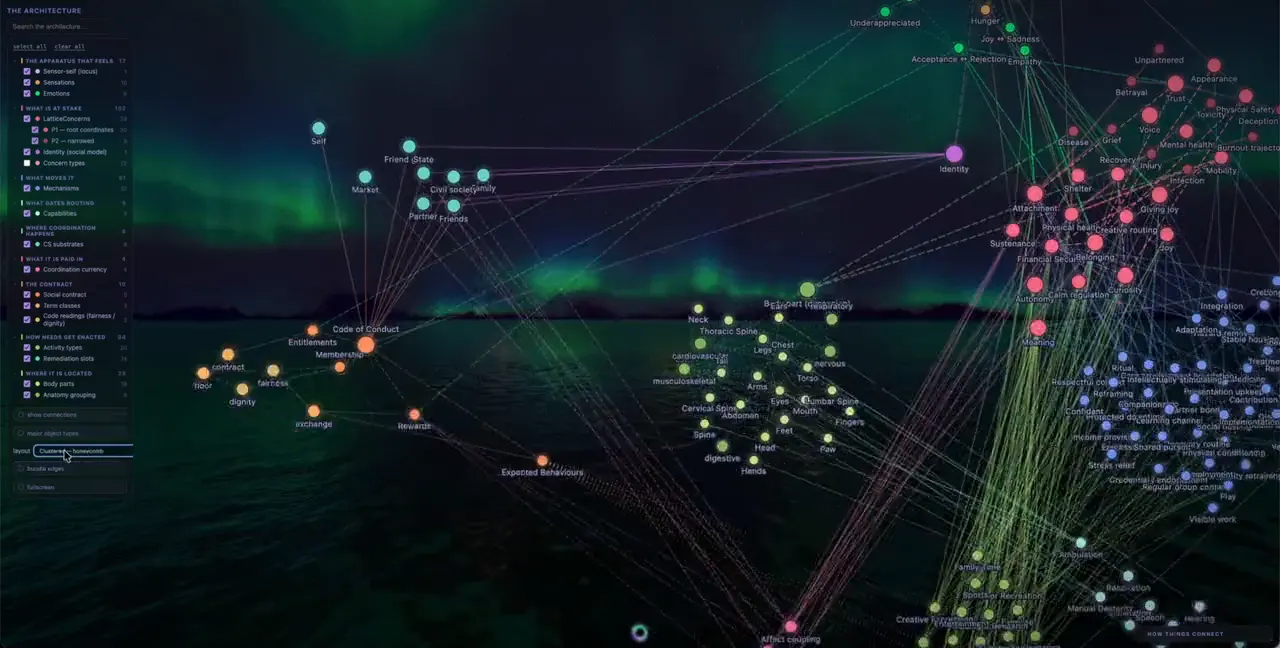
Product Orí on desktop: the causal memory graph the companion reasons over, next to the live conversation log.
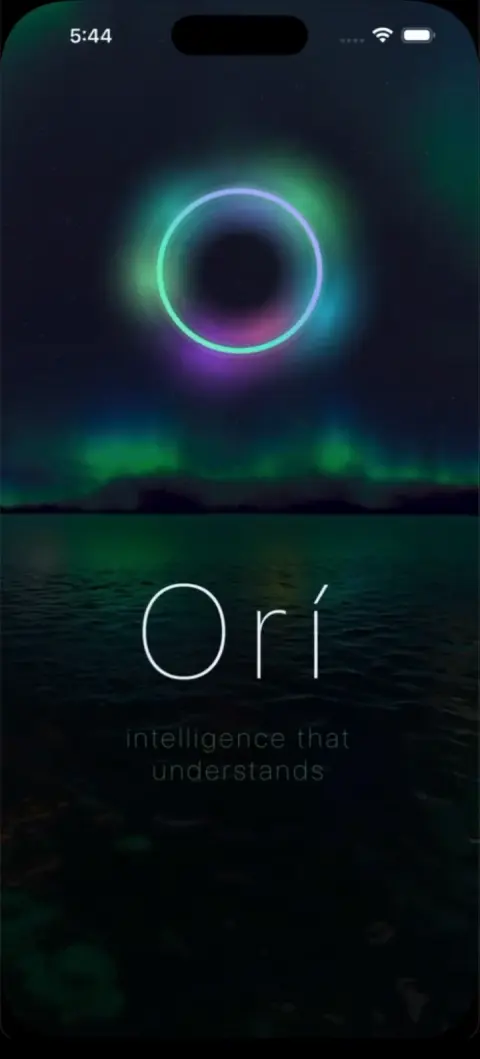
Product Orí on mobile: a companion that tracks what matters to you, with every entity it remembers tagged and correctable.

The problem

Language models optimize for a coherent conversation, not for the user's actual outcome. Without an external check, agent memory drifts into context loss, hallucinated relationships and sycophancy, and retrieval costs grow with the length of the transcript.

How a memory gets written
  1. Natural language in
  2. LLM codec proposes a lattice coordinate
  3. Lattice type-checks it for plausibility
  4. Unconfirmed, it waits as a hypothesis
  5. User confirms or corrects
  6. Placement locks

What I'm building

  1. 01
    An LLM-as-codec architecture. The model only translates natural language into exact coordinates on a fixed functional lattice. Deterministic graph traversal does the reasoning, prioritization and safety gating. No vector RAG.
  2. 02
    Provenance on every memory. Each assertion cites the immutable conversation turn that grounded it. When a user contests an inference, it is invalidated at that exact point.
  3. 03
    Expectation contracts. Every proposed resolution becomes a measurable prediction (condition, outcome, horizon) and is checked later. If reality misses, the diagnosis reopens.
  4. 04
    Precondition gating. The system cannot propose a route the user is structurally or financially blocked from taking.
  5. 05
    A breadth-to-precision retrieval ladder summarydetailverbatim citation Token cost scales with relevance, not with transcript length.

Outcome

  • A working prototype, Orí: an AI companion whose memory is a typed, causal model of what a person cares about, running today.
  • Every prediction breaks down into named quantities you can inspect and correct.
  • Design property The same coordinate system works as a privacy-preserving join key across users, for population-scale evidence.

“This system's mistake is a named edge you can fix.”

Film · 2:12 Orealis Labs: brand film.

02 / 03 2006–2021

Stonecrop Technologies

A technology and software company that designed, distributed and deployed critical wireless network infrastructure for national carriers and equipment makers.

Role
Co-founder · Head of Product
Years
2006–2021
Built
Capstan platform · smartMOP field app
Scale
2 distribution centers · 1.5M sq ft
Film · 1:45 Stonecrop: the Capstan platform and smartMOP field app at work. Distribution-center kitting, step-by-step install validation, and a national deployment map.

Outcome

in assets managed and deployed
$3B
cell sites and kits
80,000
higher site on-air efficiency
~40%
people, no outside capital
3 to 600
ERP, vendor, TMS and WMS integrations
15+

Effectively all of the equipment Sprint added to its network in its final decade was deployed through this software.

The problem

National carriers were struggling to deploy their own networks. A single site depends on thousands of parts and designs that change constantly.

One wrong kit on site, or one install error found weeks later at turn-up, stalls the only goal that matters: getting the site on air.

The closed loop
  1. RF, network & microwave designs
  2. Bills of materials + site-specific MOPs
  3. Procurement, kitting, logistics
  4. Install: photo evidence + ML check per step
  5. Changes flow back into design and orders

What I built

  1. 01
    Capstan, a proprietary end-to-end deployment platform. It turned RF, network and microwave designs into bills of materials and site-specific Methods of Procedure (MOPs), then ran procurement, demand planning, logistics, construction and integration.
  2. 02
    smartMOP, the field mobile app. Every procedure step required photo evidence and was checked with early machine-learning validation, so errors were reworked while the crew was still on site.
  3. 03
    Closed feedback loops that pushed design changes straight into orders and continuously reconciled designed, ordered and installed equipment.
  4. 04
    15+ API integrations across ERPs, vendor platforms, TMS and WMS.
  5. 05
    Operations across 2 distribution centers (1.5M sq ft): third-party logistics, kitting, component configuration and full in-house cell-tower builds.
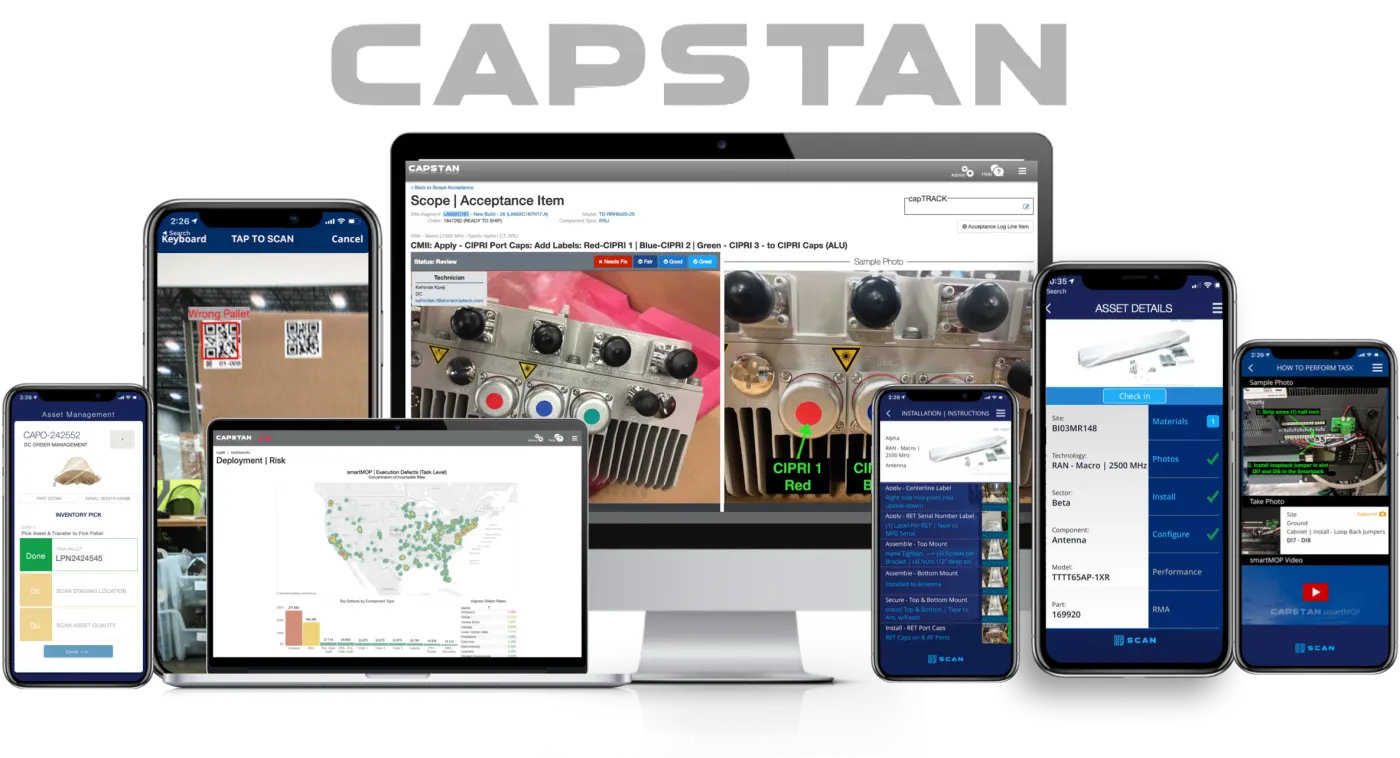
The Capstan product suite shown across desktop, laptop and phone screens.
Product Capstan: the field product suite.
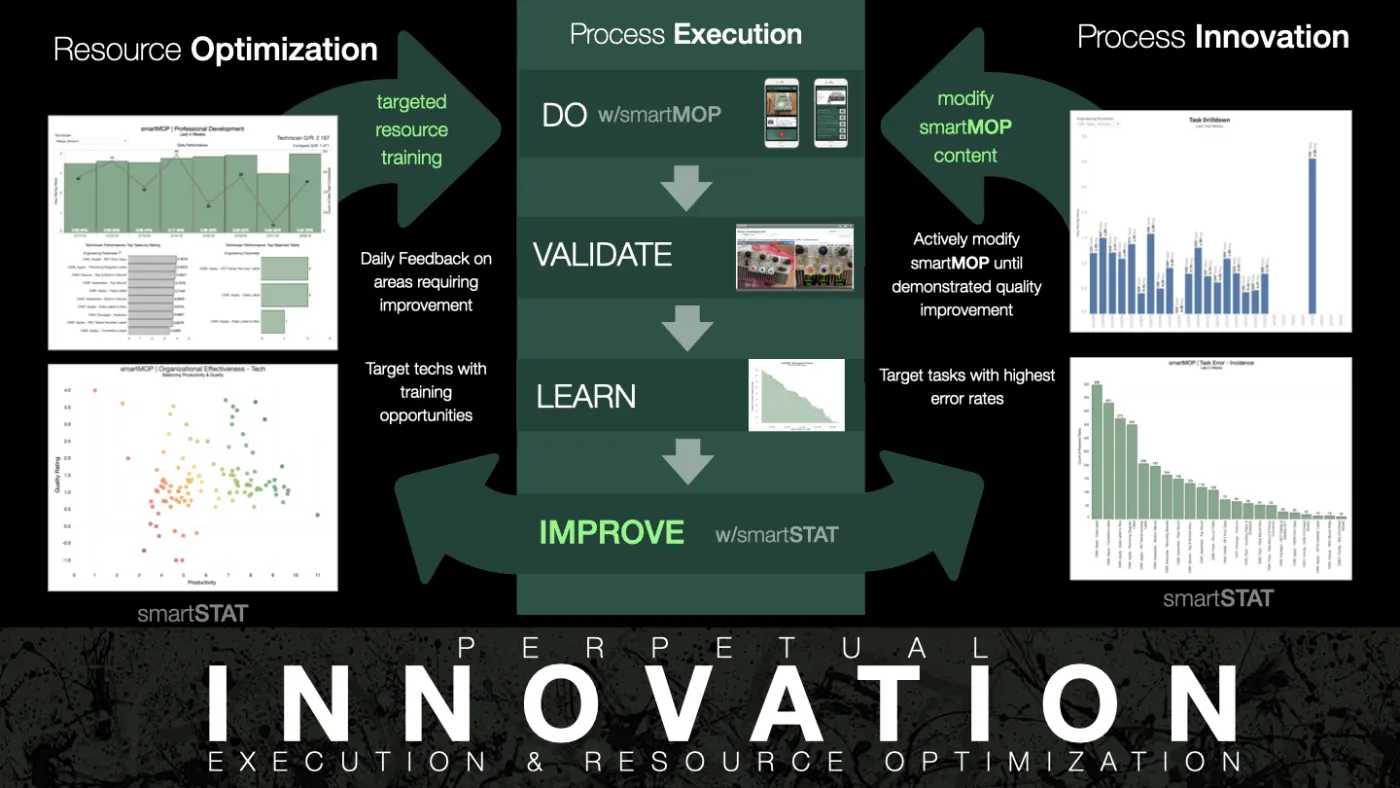
Process diagram: do with smartMOP, validate, learn, improve with smartSTAT, feeding back into resource optimization and process innovation.
System The closed loop from design to material, field execution and verification, then back into design.

Clients & programs

Carriers

Sprint · Verizon

Equipment makers

Samsung · Nokia · Ericsson · Alcatel-Lucent

Public sector & national security

Turnkey wireless networks for the Department of Homeland Security and Customs & Border Protection, plus statewide networks for Maine, New Mexico and parts of Texas.

03 / 03 2021–2025

democraci matters™ / Community Square

Community Square is a local social platform. It puts a city's news, events, businesses, civic concerns and candidates into one feed, with the action (attend, volunteer, donate, endorse, book) one gesture away.

Role
Founder: product design, front-end build, film production
Years
2021–2025
Product
Community Square
Film · 1:45 democraci matters: Community Square in San Francisco's 2024 election. Local candidates, local news, local rituals and events, all in one feed. Sound on.

2024 San Francisco election

days
45
candidates participated
23
videos
89
constituents joined
1,000+
people built and ran it
2

Commercial model: value for local businesses, organizations and political campaigns. My framing: Amazon for social infrastructure.

The problem

Local life is split across ad-driven apps that are built for engagement. They produce isolation, outrage and polarization instead of belonging and accountability.

Acting on anything means bouncing from a link in bio to a link tree to an unfamiliar site to a payment form, and users drop off. Civic participation also feels useless, because concerns rarely get a visible response.

What I built

  1. 01
    The entire product design, plus everything except the back end.
  2. 02
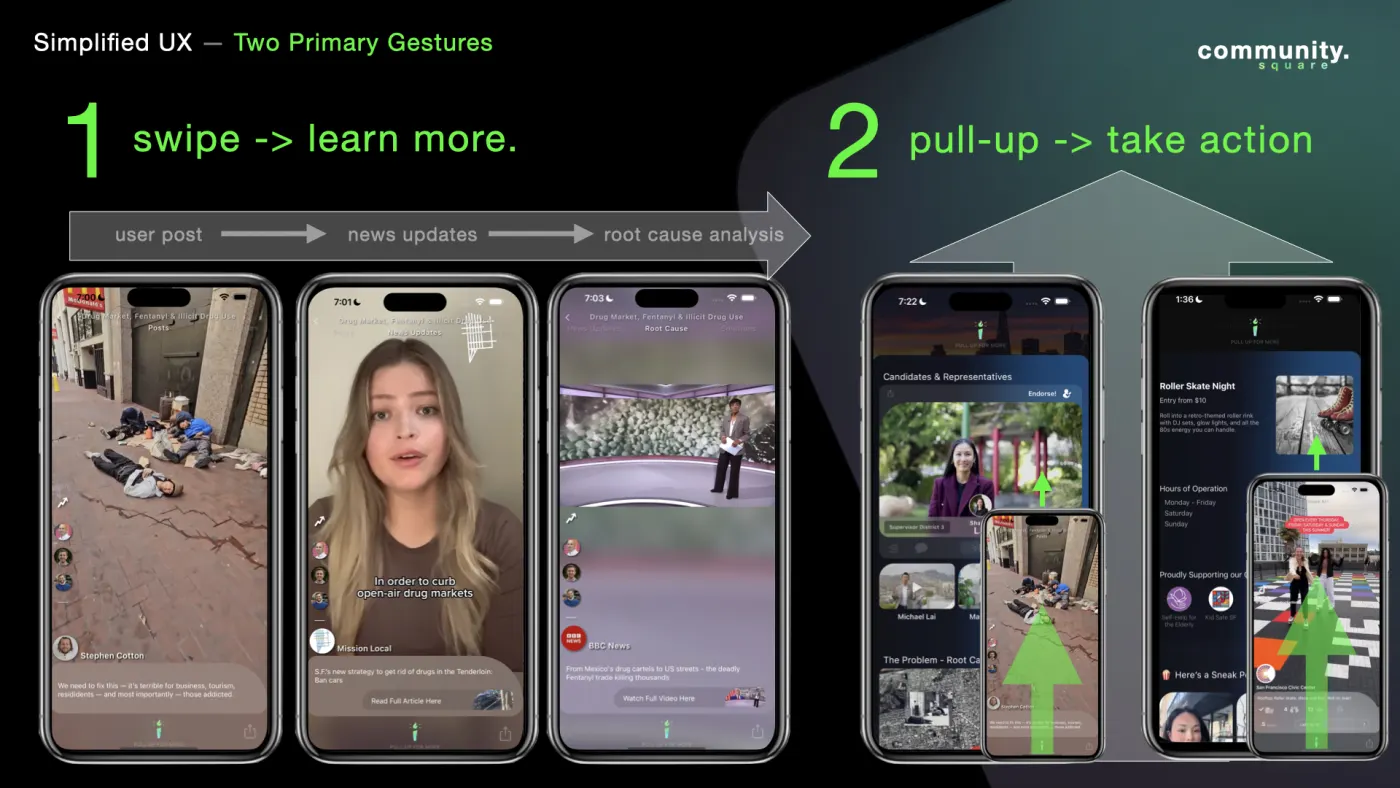
    One UX pattern for every action: swipe to learn, pull up to act. It covers buying tickets, endorsing candidates, volunteering and booking a haircut.
  3. 03
    All videography, including every candidate film.
  4. 04
    A v2 redesign that puts cohesion first, driven by what we learned in the field.
  5. 05
    Seven feedback loops designed into the product:
    • Cohesion
    • Activation
    • Karl Awards (weekly local “Best of”)
    • Trust
    • Solution-Competition
    • Local Prosperity
    • Knowledge
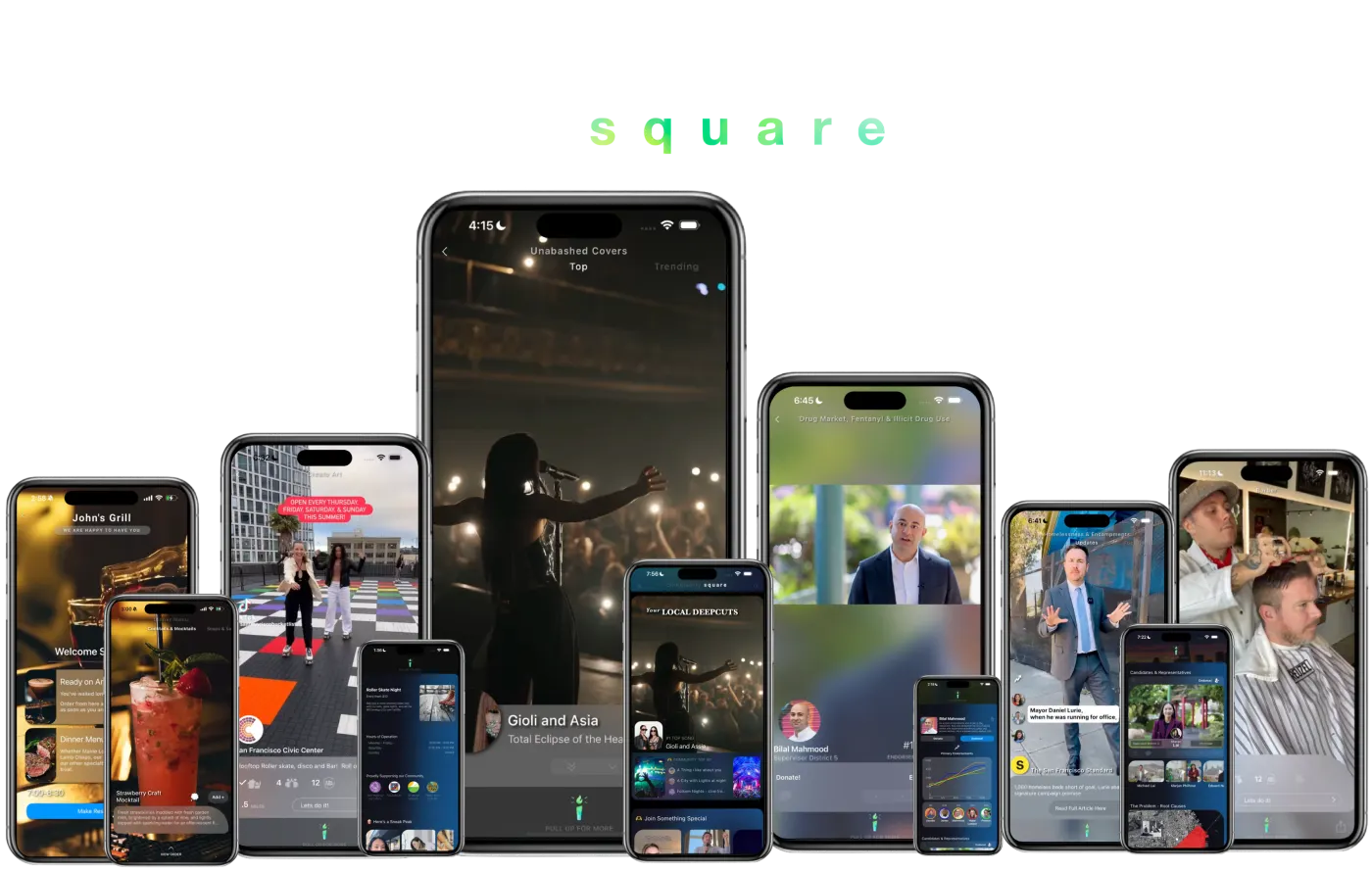
Community Square app screens on several phones: event, candidate and local business feeds.
Product Community Square: one feed for a city's news, events, businesses and candidates.
Diagram of the two primary gestures: swipe to learn more, pull up to take action.
UX Two gestures: swipe to learn, pull up to act.

04 Capabilities

What I bring

Product & strategy

  • 0→1 product definition and design, twice
  • Head of Product for two self-architected B2B products
  • UX systems: one interaction pattern across a whole platform
  • Commercial models for local businesses, organizations and campaigns
  • Bootstrapped growth: no outside capital at either start-up

Systems & software architecture

  • End-to-end, closed-loop platform architecture (Capstan)
  • Field mobile apps with evidence capture (smartMOP)
  • Enterprise integrations: ERP, TMS, WMS, vendor APIs (15+)
  • Graph data modeling: living graphs, typed-relational memory
  • Front-end engineering (built everything but the back end at Community Square)

AI / ML systems

  • Neuro-symbolic architecture: the LLM as codec, deterministic graph reasoning
  • Agent memory with provenance, audit trails and correction
  • Alignment as a measurable outcome (expectation contracts)
  • Retrieval design and token-cost control beyond vector RAG
  • Early ML for field-step validation, at Stonecrop

Operations & scale

  • Scaled an organization from 3 to 600 people
  • Supply chain, procurement, demand planning (material and labor), logistics, 3PL
  • Distribution-center operations: 1.5M sq ft, kitting, configuration, tower builds
  • National network deployment: engineering, construction, integration
  • Public-sector and national-security programs (DHS, CBP, statewide networks)

Design & media

  • Product and UX design
  • Videography and film production (every candidate film for democraci matters)
  • Photography
  • Marketing

Background Grounded in systems and complexity theory, epistemology, and political and economic theory.

05 Approach

How I work

I reduce a complex system to the few things that make it work. Then I build and deploy.

  1. 01

    Start from what must be true.

    Before building, I reduce a system to the few things that have to hold for it to work. Stonecrop's platform was built on one question: what must be true for a site to go on air?

  2. 02

    Close the loop.

    Every guarantee runs as a feedback loop that senses, corrects and checks against reality. At Stonecrop: design into orders, field work into verification. At Orealis: a prediction checked against the outcome.

  3. 03

    Cohesion before correction.

    People act when they feel they belong. Running it through the 2024 election taught us that, and v2 was redesigned around it.

  4. 04

    Hands-on at every level.

    Building a true end-to-end platform took deep knowledge of every phase: engineering, supply chain and operations.